
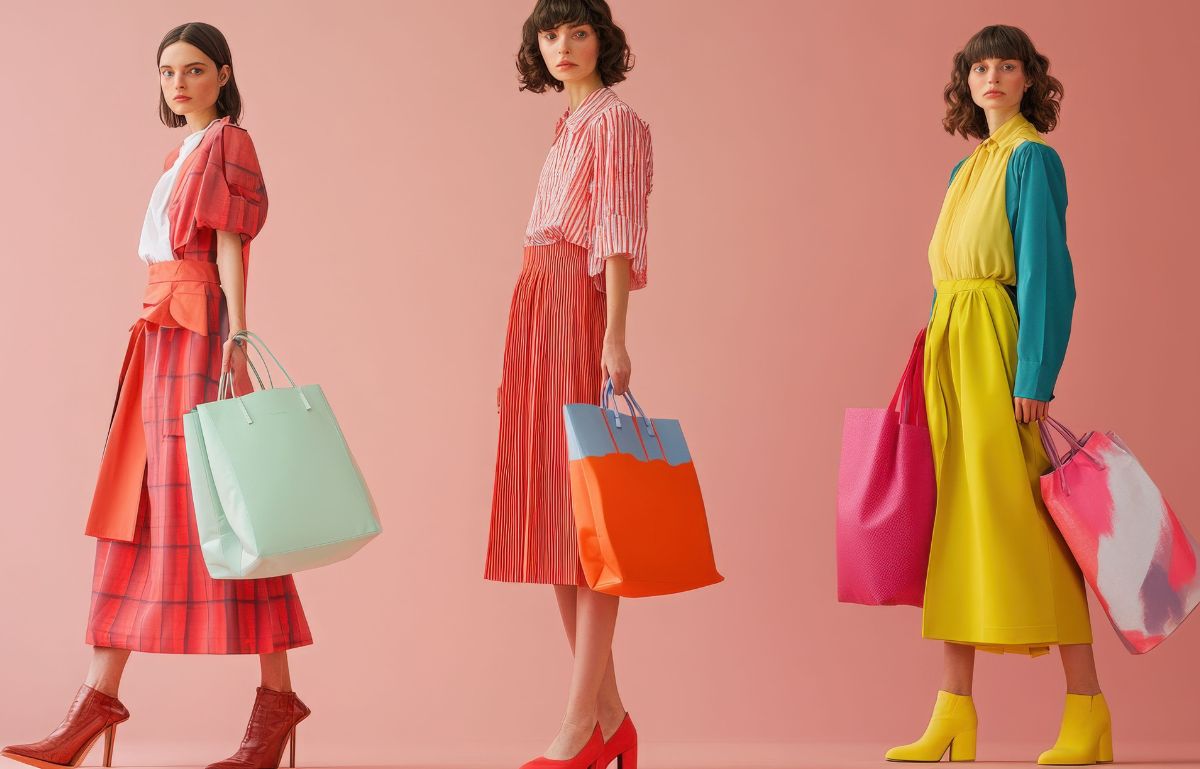
The fashion industry continues to evolve at rapid speed — and ecommerce is now at the center of this transformation. In 2026, the way consumers discover, shop, and interact with fashion brands looks dramatically different from just a few years ago. Powered by AI, personalization, sustainability, and immersive shopping experiences, fashion ecommerce is entering its most innovative era yet.
Whether you’re an online fashion retailer, entrepreneur, or marketer, understanding the fashion ecommerce trends of 2026 is essential to stay competitive.
Let’s explore what’s driving the future of online fashion this year.
👗 1. Hyper-Personalized Shopping Powered by AI
In 2026, personalization is no longer a bonus — it’s expected.
Fashion ecommerce platforms now use AI to tailor:
- Product recommendations
- Outfit suggestions based on weather and personal style
- Size predictions using body data
- Dynamic pricing based on shopping behavior
Shoppers are more likely to buy when the experience feels personal — and AI makes that seamless.
🛍 2. Virtual Try-Ons and 3D Fitting Rooms
Thanks to AR (Augmented Reality) and 3D technology, shoppers can now:
- Try clothes virtually
- See how fabrics move
- Compare fits before ordering
This tech reduces return rates and increases buyer confidence — especially for shoes, formal wear, and denim.
🌱 3. Sustainable and Ethical Fashion Takes Center Stage
Consumers in 2026 demand transparency.
Shoppers want:
- Eco-friendly materials
- Carbon-neutral shipping
- Ethical production
- Recyclable packaging
Brands offering sustainability badges, digital garment passports, and environmental impact scores are gaining loyalty and trust.
📦 4. Made-to-Order and Custom Fashion Models
With AI and automation improving production efficiency, brands are shifting away from mass production and overstock.
In 2026, we see:
- Customized fits and prints
- Made-to-order fashion to reduce waste
- Tailored collections based on customer data
This model creates exclusivity — and boosts brand value.
📱 5. Social Commerce Dominates Fashion Purchases
Fashion and social media go hand-in-hand — and 2026 is the peak of social-driven commerce.
Key platforms driving fashion sales include:
- TikTok Shop
- Instagram Shopping
- Pinterest AI-style boards
- YouTube Live Shopping
Influencers, live try-ons, and short-form videos now outperform traditional ads.
🧥 6. Digital Fashion and Virtual Clothing Expand
With the rise of the metaverse and digital identity trends, “virtual fashion” is becoming mainstream.
Fashion ecommerce now sells:
- Digital outfits for avatars
- AR-ready clothing for content creators
- NFT collections linked to real products
Younger audiences see digital fashion as a form of self-expression — just like physical clothing.
🎨 7. Micro-Trends and AI-Generated Fashion Lines
Fast fashion is being replaced by micro fashion cycles.
Trends now shift weekly, not seasonally, thanks to:
- TikTok fashion trends
- AI style forecasting
- Real-time consumer behavior analytics
Some fashion brands are now letting AI assist in:
- Pattern creation
- Fabric selection
- Design sketches
- Trend prediction
This leads to faster production, reduced cost, and trend alignment.
📦 8. Same-Day Delivery and Subscription Styling Services
Convenience remains king.
Fashion shoppers want:
- Express or same-day delivery
- Hassle-free returns
- Subscription-based styling (try before you buy)
Brands offering membership perks — like early access or exclusive drops — convert customers into long-term fans.
🎯 Key Takeaway: 2026 Is About Experience, Not Just Products
The future of fashion ecommerce isn’t just about selling clothing — it’s about creating a personalized, immersive, sustainable, and seamless shopping journey.
Shoppers expect:
- Smart recommendations
- Interactive buying experiences
- Eco-conscious options
- Fast delivery
- High-quality content and storytelling
Fashion brands that embrace technology and customer-centric strategies will lead the ecommerce space in 2026 and beyond.
💡 Final Thought
Fashion ecommerce is evolving — and the brands that innovate now will shape the future of digital shopping.
Would you like:
✔️ Meta Title & Meta Description for SEO?
✔️ Social media caption for this blog?
✔️ A downloadable PDF or infographic version?